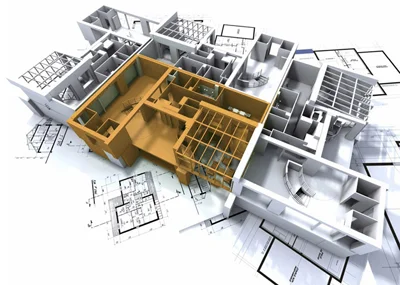
3D architectural visualization has revolutionized the way architects and designers bring their ideas to life. By utilizing cutting-edge technology, 3D architectural visualization allows for the creation of realistic and immersive representations of buildings and spaces before they are built. This process helps streamline the design and construction process, as well as provide clients with a clear vision of the final product.
With the ability to showcase intricate details, textures, lighting, and spatial relationships, 3D architectural visualization has become an essential tool in the industry. From residential homes to commercial buildings, this technology has the power to transform blueprints and sketches into dynamic and interactive visualizations that help stakeholders better understand and appreciate a project. In this article, we will explore the benefits of using 3D architectural visualization and how it is shaping the future of architecture and design.
The Power of 3D Architectural Visualization
3D architectural visualization has completely transformed the way architects and designers present their ideas to clients. By creating realistic and detailed renderings of buildings and spaces, stakeholders can now visualize projects before they are even constructed. This technology allows for the exploration of intricate details, textures, lighting effects, and spatial relationships, providing a comprehensive understanding of the final design. Utilizing Planning CGI Services helps streamline the design process by allowing changes to be made early on, avoiding costly revisions during construction.
Shaping the Future of Architecture and Design
The use of 3D architectural visualization is not only beneficial during the design process but also plays a significant role in shaping the future of architecture and design. From residential homes to large-scale commercial projects, this technology enables architects and designers to present their vision in a dynamic and interactive way. By providing clients with immersive experiences through realistic visualizations, stakeholders can better understand and appreciate the proposed design. As technology continues to advance, the possibilities for 3D architectural visualization are endless, paving the way for innovative and sustainable developments in the field of architecture and design.
In conclusion, 3D architectural visualization has proven to be a game-changer in the industry, offering a powerful tool for architects and designers to communicate their ideas effectively. By creating realistic and immersive representations of buildings and spaces, this technology not only streamlines the design process but also helps clients visualize the final product with clarity. As we move forward, the use of 3D architectural visualization will continue to shape the future of architecture and design, pushing boundaries and unlocking new possibilities for innovative and sustainable developments. With its ability to transform blueprints into dynamic visualizations, this technology is paving the way for a more efficient, creative, and collaborative design process in the field of architecture.
Leave a Reply