
Category: Informational

  • Brand Identity Packaging: Crafting a Visual Symphony of Your Brand Essence

    Brand Identity Packaging: Crafting a Visual Symphony of Your Brand Essence

    Bubble mailer is a strategic approach that harmonizes design, messaging, and visual elements to create packaging that authentically represents your brand’s essence. It goes beyond functional packaging, transforming it into a storytelling canvas that resonates with customers, communicates your brand values, and fosters a memorable and emotional connection. Let’s delve into what brand identity packaging entails and how it plays a pivotal role in shaping your brand’s perception.

    Defining Brand Identity Packaging

    Brand identity packaging is the art of translating your brand’s personality, values, and aesthetics into the packaging of your products. It encapsulates your visual identity, which includes elements like logos, colors, typography, and design patterns, while also incorporating messaging that aligns with your brand’s mission and voice.

    The Essence of Brand Identity Packaging

    • Consistency: Brand identity packaging ensures that your packaging remains consistent with all other brand touchpoints. Whether it’s your website, social media, or physical store, the packaging becomes a seamless extension of your brand.
    • Recognition: When customers encounter your brand identity packaging, they should immediately recognize it as uniquely yours. This recognition cultivates trust and loyalty, as customers know they are interacting with an established and familiar brand.
    • Personality: Just as people have distinct personalities, brands have personalities too. Brand identity packaging captures this personality visually. Whether your brand is playful, sophisticated, eco-friendly, or innovative, the packaging communicates this essence.
    • Emotional Connection: Emotions play a significant role in consumer decision-making. Brand identity packaging is designed to evoke emotions that resonate with your target audience, creating a connection that goes beyond transactional interactions.
    • Storytelling: Packaging is an opportunity to tell your brand’s story. Through design elements, imagery, and messaging, you can communicate the journey, values, and inspiration behind your brand.
    • Differentiation: In a crowded marketplace, brand identity packaging differentiates your products from competitors. It serves as a unique identifier that sets your brand apart and attracts consumers seeking a distinct experience. Elevate your brand’s impact through strategic brand identity packaging, utilizing this Source of Knowledge to orchestrate a harmonious visual representation that encapsulates the essence and values of your brand.

    Designing Brand Identity Packaging

    • Visual Elements: Incorporate your brand’s logo, colors, and typography into the packaging design. Consistency is key to maintaining a unified visual identity.
    • Materials: The choice of materials can also reflect your brand’s values. For instance, eco-friendly brands may opt for sustainable packaging materials to align with their identity.
    • Messaging: Consider adding brand messaging, slogans, or taglines that resonate with your target audience and encapsulate your brand’s mission.
    • Unboxing Experience: Brand identity packaging extends to the unboxing experience. Consider how customers will interact with the packaging and how you can enhance their journey.
    • Storytelling Elements: Use imagery, graphics, and illustrations that narrate your brand’s story and values.

    Conclusion: A Visual Symphony

    Brand identity packaging is the culmination of a brand’s visual symphony. It orchestrates various elements to create a harmonious packaging experience that communicates your brand’s personality, values, and story. This packaging becomes a tangible representation of your brand and forms a lasting impression on your customers, ultimately contributing to a deeper and more meaningful connection with your audience.
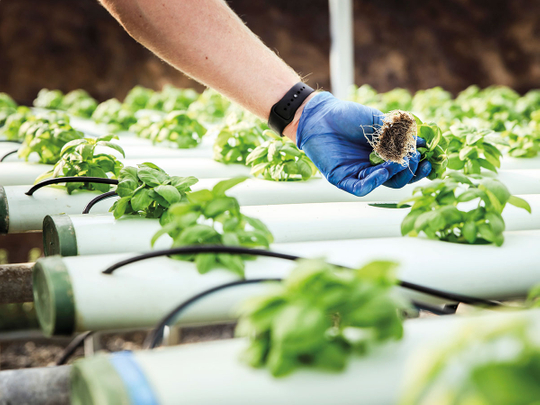
  • Growth Mediums in Agriculture: Cultivating Success Without Soil

    Growth Mediums in Agriculture: Cultivating Success Without Soil

    In the realm of agriculture, the methods of nurturing plants have evolved dramatically over the years. Traditional soil-based farming has been a cornerstone of food production for millennia. However, in an era where resource efficiency, sustainability, and precision agriculture are paramount, alternative growth mediums have gained prominence. In this article, we explore the world of growth mediums, their role in modern agriculture, and their potential to reshape the future of food production. For more information regarding hydroponic plant one can visit our site https://hydroponicglobal.com.au/.

    What is a Growth Medium?

    A growth medium, also known as a substrate or culture medium, is the material or environment in which plants grow. It serves as a support structure for plants’ root systems and provides a platform for nutrient and water delivery. While soil is the most common growth medium in traditional agriculture, modern farming techniques have expanded the options significantly.

    Types of Growth Mediums

    Innovative agricultural practices have given rise to various types of growth mediums, each offering unique advantages for specific applications. Here are some of the most common alternatives to traditional soil:

    1. Soilless Mixtures: Soilless mixtures consist of a combination of organic and inorganic materials such as peat moss, coconut coir, perlite, and vermiculite. These mixes provide excellent aeration and moisture retention while allowing for precise control over nutrient content. Soilless mixtures are frequently used in container gardening, hydroponics, and greenhouse cultivation.
    2. Coconut Coir: Coconut coir, derived from the fibers of coconut husks, is a popular alternative to peat moss. It offers excellent water retention, aeration, and a neutral pH. Coir is sustainable and considered more environmentally friendly than peat, which is often harvested from fragile wetland ecosystems.
    3. Rock Wool: Rock wool, made from volcanic rock, is a widely used growth medium in hydroponics. It provides a stable, inert structure for plant roots and retains moisture effectively. Rock wool cubes and slabs are common choices for hydroponic systems.
    4. Perlite and Vermiculite: These lightweight, inorganic materials are often added to soilless mixtures to improve aeration and water retention. Perlite is created by heating volcanic glass until it pops like popcorn, while vermiculite is mined from naturally occurring mineral deposits.
    5. Aeroponics: In aeroponics, plant roots are suspended in the air, and nutrient-rich water is misted directly onto them. This system eliminates the need for a solid growth medium, allowing plants to grow in air with optimal access to nutrients and oxygen.
    6. Hydroponics: Hydroponic systems utilize nutrient-rich water solutions to nourish plants directly. Though not a traditional growth medium, the water itself serves as the medium, delivering nutrients directly to the plant roots.

    Advantages of Alternative Growth Mediums

    Using alternative growth mediums offers several advantages:

    1. Precise Control: Soilless mediums and hydroponic systems allow growers to exert precise control over nutrient content, pH levels, and moisture, resulting in faster growth, higher yields, and better crop quality.
    2. Resource Efficiency: These mediums use resources more efficiently than traditional soil-based farming. They minimize water usage and reduce the need for chemical fertilizers.
    3. Space Efficiency: Alternative growth mediums, especially in hydroponics and aeroponics, are space-efficient and can be used in vertical farming and urban agriculture.
    4. Reduced Pest and Disease Risk: Soilless cultivation methods often have fewer issues with soil-borne pests and diseases, reducing the need for chemical pesticides.

    Challenges and Considerations

    While alternative growth mediums offer many benefits, they are not without challenges:

    1. Technical Expertise: Operating systems that use these mediums often requires a good understanding of plant nutrition, pH management, and system maintenance. Skilled labor is essential for optimal results.
    2. Initial Investment: Setting up and maintaining alternative growth mediums, especially in commercial-scale operations, can be costly. However, the long-term benefits often justify the initial expense.
    3. Crop Selection: Not all crops are well-suited for alternative growth mediums. Leafy greens, herbs, and some vine crops tend to thrive, while larger-rooted vegetables and fruit trees may be less practical.

    Applications of Alternative Growth Mediums

    Alternative growth mediums find application in various agricultural practices, including:

    1. Indoor Farming: Controlled environments, such as vertical farms and growth chambers, often use soilless mediums to maximize space and resource efficiency.
    2. Greenhouse Cultivation: Soilless mixes and hydroponics are popular in greenhouses, where precise environmental control is essential.
    3. Urban Agriculture: Alternative growth mediums allow for food production in non-traditional spaces, making them suitable for urban agriculture initiatives.
    4. Commercial Horticulture: Commercial nurseries and growers employ these mediums to optimize crop production and quality.

    The Future of Growth Mediums in Agriculture

    As the world faces increasing environmental challenges, resource efficiency, and sustainable food production are paramount. Alternative growth mediums are poised to play a pivotal role in shaping the future of agriculture. Advancements in technology, greater accessibility, and increased awareness of their benefits will likely drive their adoption.

    In conclusion, growth mediums are at the forefront of modern agriculture, offering innovative ways to cultivate crops efficiently and sustainably. As we continue to confront the challenges of feeding a growing global population while minimizing environmental impact, these alternative mediums offer a promising solution for a more resilient and food-secure future.