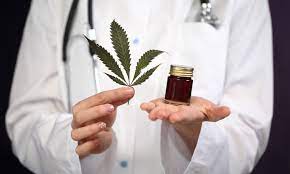
Medical Cannabis 101: Your Complete Beginner’s Guide
Medical cannabis, also known as medical marijuana, has gained popularity as a potential alternative treatment for various medical conditions. Derived from the Cannabis sativa plant, it contains compounds called cannabinoids that interact with the body’s endocannabinoid system to produce therapeutic effects. If you’re new to the world of medical cannabis, this beginner’s guide will provide you with essential information to help you navigate its uses, benefits, legal considerations, and more.
Understanding Medical Cannabis
- Cannabinoids: Cannabinoids are the active compounds found in cannabis. Two well-known cannabinoids are THC and CBD. THC is responsible for the psychoactive effects, while CBD is non-psychoactive and has potential therapeutic properties.
- Endocannabinoid System (ECS): The ECS is a biological system present in humans and animals. It plays a crucial role in maintaining balance in various bodily functions, including mood, appetite, pain sensation, and immune response. Medical cannabis interacts with the ECS to produce its effects.
Medical Uses and Benefits
- Pain Management: UK Medical cannabis is often used to manage chronic pain, including conditions like arthritis and neuropathy. Both THC and CBD can influence pain perception and provide relief.
- Neurological Disorders: Medical cannabis has shown promise in treating epilepsy, multiple sclerosis, and Parkinson’s disease. CBD’s anticonvulsant properties have led to the development of CBD-based medications.
- Mental Health: CBD has been studied for its potential to alleviate symptoms of anxiety, depression, and PTSD. It may have mood-stabilizing effects due to its interaction with serotonin receptors.
- Cancer Symptoms: Medical cannabis can help mitigate side effects of cancer treatments such as nausea, vomiting, and loss of appetite.
- Inflammation and Autoimmune Conditions: Both THC and CBD have anti-inflammatory properties that may benefit conditions like Crohn’s disease and rheumatoid arthritis.

Legal Considerations
- Legal Status: The legal status of medical cannabis varies widely by country and even within regions of a country. Some places allow medical cannabis with a doctor’s prescription, while others may have stricter regulations or no legal provision at all.
- Medical Cannabis Cards: In regions where medical cannabis is legal, patients often need to obtain a medical cannabis card or authorization from a healthcare provider to access it.
- Dispensaries: In areas where medical cannabis is legal, dispensaries are establishments that provide medical cannabis products to qualified patients. They offer various forms of cannabis, including dried flowers, oils, edibles, and more.
Choosing a Treatment Approach
- Consult a Healthcare Provider: Before using medical cannabis, consult a healthcare provider who is knowledgeable about its potential benefits and risks. They can help determine if it’s a suitable option for your medical condition.
- Dosage and Strain Selection: Finding the right dosage and cannabis strain is essential. Start with a low dose and gradually increase until you achieve the desired effects. Different strains contain varying ratios of THC to CBD, each with distinct effects.
- Method of Consumption: Choose a method of consumption that aligns with your preferences and medical needs. Smoking, vaping, edibles, tinctures, and topicals are among the options available.
Medical cannabis has the potential to offer relief and improved quality of life for individuals with various medical conditions. However, it’s crucial to approach its use with careful consideration, consulting healthcare professionals and adhering to local regulations. As research in this field continues to evolve, medical cannabis may become an increasingly recognized and accessible option for those seeking alternative treatments.
Leave a Reply